Best interstate movers in New Mexico
New Mexico, particularly Albuquerque, draws movers from Arizona and Texas with lower housing costs and a quieter pace of life, along with a growing tech and film-production sector. The appeal of stretching a housing budget further while escaping the intensity of larger southwestern metros makes the transition especially attractive for families and remote workers alike. The expanding creative and technology economies also mean newcomers increasingly find professional opportunities that once required relocating to coastal cities, allowing them to combine career growth with the more relaxed rhythm the state offers.
- Real customer reviews — never fabricated
- FMCSA registration data linked directly
- Free to use, no obligation
Get matched with New Mexico movers
Tell us about your move and we'll connect you with movers who serve your route. Free, no spam.
Updated September 5, 2026
National interstate movers serving New Mexico, ranked by real rating
Every major national van line operates in New Mexico. Ranked here by real Google rating, not an invented score:









Get quotes for your New Mexico move
Tell us your route and home size — free, no obligation.
Typical interstate moving cost in New Mexico by home size
| Home size | Short-distance | Medium-distance | Long-distance |
|---|---|---|---|
| Studio / 1 bedroom | $1,600–$2,800 | $1,900–$3,400 | $2,200–$4,000 |
| 2 bedroom | $2,500–$4,200 | $3,000–$5,200 | $3,500–$6,200 |
| 3 bedroom | $3,600–$5,800 | $4,300–$7,200 | $5,000–$8,500 |
| 4+ bedroom | $5,200–$8,000 | $6,500–$10,000 | $7,500–$12,000+ |
See our moving cost calculator for a number based on your exact origin and distance.
New Mexico cities our interstate movers cover
Specialty moving services for New Mexico
Appliance moving in New Mexico
Moving large appliances across state lines requires careful handling to prevent damage to both the items and your home. Refrigerators, washers, and dryers need proper preparation, secure loading, and sometimes specialized equipment for safe transport. Professional appliance movers can disconnect, protect, and reinstall your units so everything works properly in your new place. See our full appliance moving guide for tips on preparing your kitchen and laundry equipment. See our full guide →
Piano moving in New Mexico
Pianos are among the heaviest and most delicate items people bring on interstate moves, requiring experienced handlers who understand their internal mechanics. Whether you own an upright or a grand piano, proper padding, climate-controlled transport, and specialized dollies help protect your instrument's sound and value. Attempting to move a piano without the right equipment risks serious injury and costly damage. See our full piano moving guide to learn how specialists keep your instrument safe. See our full guide →
Popular interstate moving routes to and from New Mexico
Each corridor below has its own dedicated page with typical cost, transit time, and what to plan for on that specific route — the same underlying route data used across this site, not a separate estimate.
| Route | Distance | What to know |
|---|---|---|
| Arizona to New Mexico | ~460 miles | This corridor runs through high-desert terrain with real elevation change — Albuquerque sits around 5,300 feet, notably higher than Phoenix |
Arizona to New Mexico
Why people make this move:
- Lower housing costs than metro Phoenix
- A quieter pace of life and lower overall cost of living cited by many movers on this corridor
- Albuquerque's growing tech and film-production sectors have driven some recent job-related relocation
Worth knowing:
- This corridor runs through high-desert terrain with real elevation change — Albuquerque sits around 5,300 feet, notably higher than Phoenix
- Both states share a similar dry climate, but New Mexico's higher elevation means colder winters than Phoenix
New Mexico's higher elevation (Albuquerque sits around 5,300 feet vs. Phoenix's roughly 1,100 feet) means real winter cold and occasional snow, unlike Phoenix's mild winters.
Full Arizona–New Mexico route breakdown →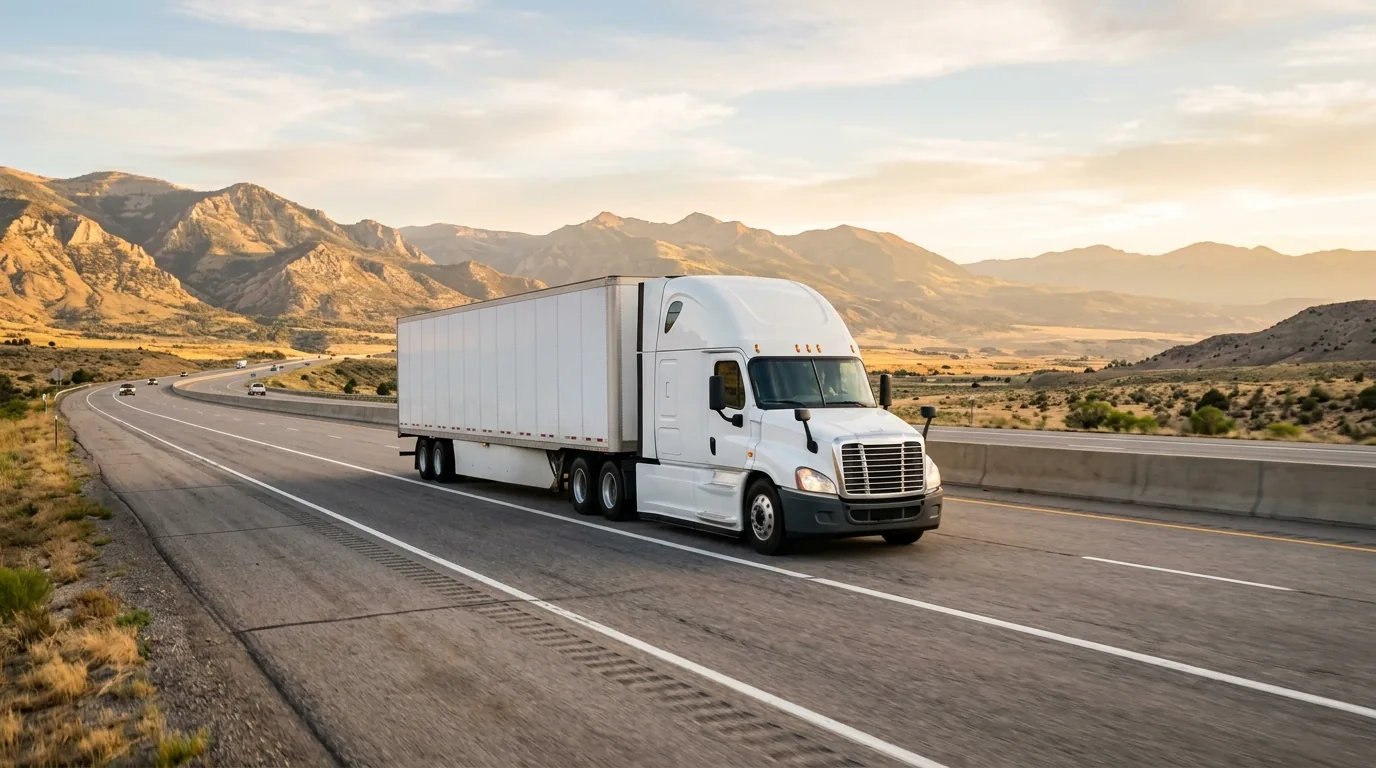
Alternatives to a full-service New Mexico mover
For moves under 500 miles, the cost gap between full-service and DIY options narrows enough that it is worth comparing both approaches before deciding. Shorter distances mean less fuel, fewer overnight stays for crews, and lower overall mileage charges, which brings professional mover estimates down closer to what you might spend renting a truck and handling everything yourself. That said, the DIY route still has hidden costs that are easy to overlook at first glance. You will need to factor in truck rental, fuel, mileage fees, packing supplies, equipment rentals for heavy items, and the value of your own time spent loading, driving, and unloading. Depending on your schedule and physical ability, a full-service company handling the labor might justify a slightly higher price tag, especially if you are moving on a tight timeline or have bulky furniture to navigate through stairs or narrow doorways. The best move is to get at least two quotes from full-service movers and run your own detailed cost estimate for a rental truck before assuming the DIY path saves money.
Moving a piano, gun safe, or other specialty item? See best movers by item.

How interstate movers are regulated in New Mexico
Interstate movers — anyone crossing state lines into or out of New Mexico — are regulated federally by the FMCSA, exactly as in every other state, under the same set of rules regardless of which two states are involved. That federal layer covers licensing (a valid USDOT number and active operating authority), minimum insurance requirements, and the estimate rules that determine whether a quote is binding, non-binding, or binding-not-to-exceed. Verify a company's USDOT/MC number on FMCSA SAFER before booking — it takes about two minutes and shows whether the company's authority is currently active, not just whether the number exists. Movers operating only within New Mexico (intrastate) fall outside FMCSA's interstate authority and may have additional state-level licensing or insurance requirements instead, which vary by state and are worth confirming directly with the company if your move doesn't cross a state line — see our full guide on verifying a USDOT/MC number for exactly what to check before you pay a deposit.
Your first few weeks living in New Mexico
Beyond the driver's license and vehicle registration deadline noted below, budget time early on to research local utility providers, register to vote if you plan to, and find a new doctor, dentist, or other regular providers if you don't already have ones in the area. Set up electricity, water, and internet before moving day rather than after — providers in most areas need a few business days to schedule a connection, and starting the process while you're still packing avoids a gap where the new place has no power or water when the truck arrives. Update your address with your bank, employer, and any subscriptions around the same time, since mail forwarding through USPS is a backstop for what you miss, not a substitute for updating records directly with the accounts that matter most. See our first week in new home checklist and change of address checklist for the full rundown.
Still deciding on a mover?
Compare real reviews for movers serving New Mexico, or get free quotes now.
Frequently asked questions
For a typical 2–3 bedroom household moving 1,000+ miles, expect roughly $5,000–$8,500 with a full-service mover; shorter regional moves cost less. Use our moving cost calculator for a number specific to your home size and distance.
The most commonly cited reasons include: lower housing costs than metro phoenix; a quieter pace of life and lower overall cost of living cited by many movers on this corridor; albuquerque's growing tech and film-production sectors have driven some recent job-related relocation.
Late fall through early spring generally avoids peak moving-season pricing (May–August is the busiest and most expensive time nationally). Book 4-8 weeks ahead regardless of season, more if moving during summer.
Interstate movers crossing into or out of New Mexico are regulated federally by the FMCSA, the same as in every other state — verify a company's USDOT/MC number before booking. Movers operating only within New Mexico (intrastate) may have additional state-level requirements.
New Mexico generally requires new residents to register their vehicle and get a New Mexico driver's license within 30 days of establishing residency. Missing this window can complicate everyday tasks that depend on valid local credentials, from routine traffic stops to proving residency for utility setups or local services. Getting this done promptly also helps avoid potential penalties and keeps your documentation consistent with your new address, which simplifies everything from insurance paperwork to voting registration down the line.