How to pack books for moving
Updated September 5, 2026
Books are one of the most underestimated items to pack — they're far denser than they look, and a box that seems reasonably full by volume can already be too heavy to lift safely.
On this page
- Always use small boxes for heavy books
- How to arrange books inside a moving box to prevent damage
- Rare or valuable books need special packing
- Consider downsizing your book collection before packing
- A trick for extra protection: line the box with hardcovers
- Consider mailing some boxes instead of moving them
- If books will sit in storage or a container for a while, temperature and humidity matter
- Frequently asked questions
Always use small boxes for heavy books
Never pack books in a medium or large box. The density of paper means the box will exceed a safe lifting weight well before it looks full, and that is how people get hurt. Small boxes, filled most of the way, are the right size for books specifically. They will feel restrictively small for lighter items like linens or clothing, but that compact size is exactly what keeps a box of hardcovers manageable.
A practical test: if you can't comfortably lift and carry a full box alone for a short distance, it is too heavy, no matter how much empty space is left on top. This applies whether you are hiring movers or doing it yourself. Packing fewer books per box and using more boxes overall is a better trade than risking a dropped box on stairs or a strained back on moving day. The extra box cost is minimal compared to an injury or damaged property.
A little extra care at packing time pays off. The right box size, careful arrangement inside the box, and a separate plan for anything valuable protects both the books themselves and whoever ends up carrying them on moving day. Taking ten more minutes per box to pack properly beats dealing with torn covers, bent pages, or a trip to urgent care.
How to arrange books inside a moving box to prevent damage
- Pack most books flat, stacked like a table — this protects spines and covers better than standing them upright, where neighboring weight can bend covers over time
- Alternate spine direction in each layer for a more stable, evenly weighted stack
- Fill any remaining gaps with paper to prevent shifting, rather than leaving books loose to slide during transit
- Wrap any book with a delicate, embossed, or leather cover individually in packing paper, even inside a bulk box, since those covers scuff more easily against neighboring spines
- Skip any box that previously held liquids or shows soft spots in the cardboard — weakened cardboard is far more likely to fail under book weight than under lighter household items
- Tape the bottom seam of each box with two or three strips rather than one — book boxes see more stress on the bottom seam than almost any other box type, and a single strip of tape is more likely to give way mid-carry
Rare or valuable books need special packing
Treat these separately from the bulk collection — wrap individually and use a smaller, better-cushioned box, following the same logic as our fragile items guide. Mixing a valuable first edition into a box of paperbacks risks damage that's hard to notice until you unpack.
For anything genuinely valuable — a signed first edition, an antique family Bible, a rare or out-of-print title — it is worth getting a quick appraisal or at minimum photographing the book's condition before the move. You would document a piece of jewelry or art the same way. If your homeowner's or renter's policy has a low cap on unscheduled personal property, ask your insurer whether a particularly valuable book or collection needs a separate rider. Better to make that call ahead of time than discover a gap in coverage after something goes wrong.
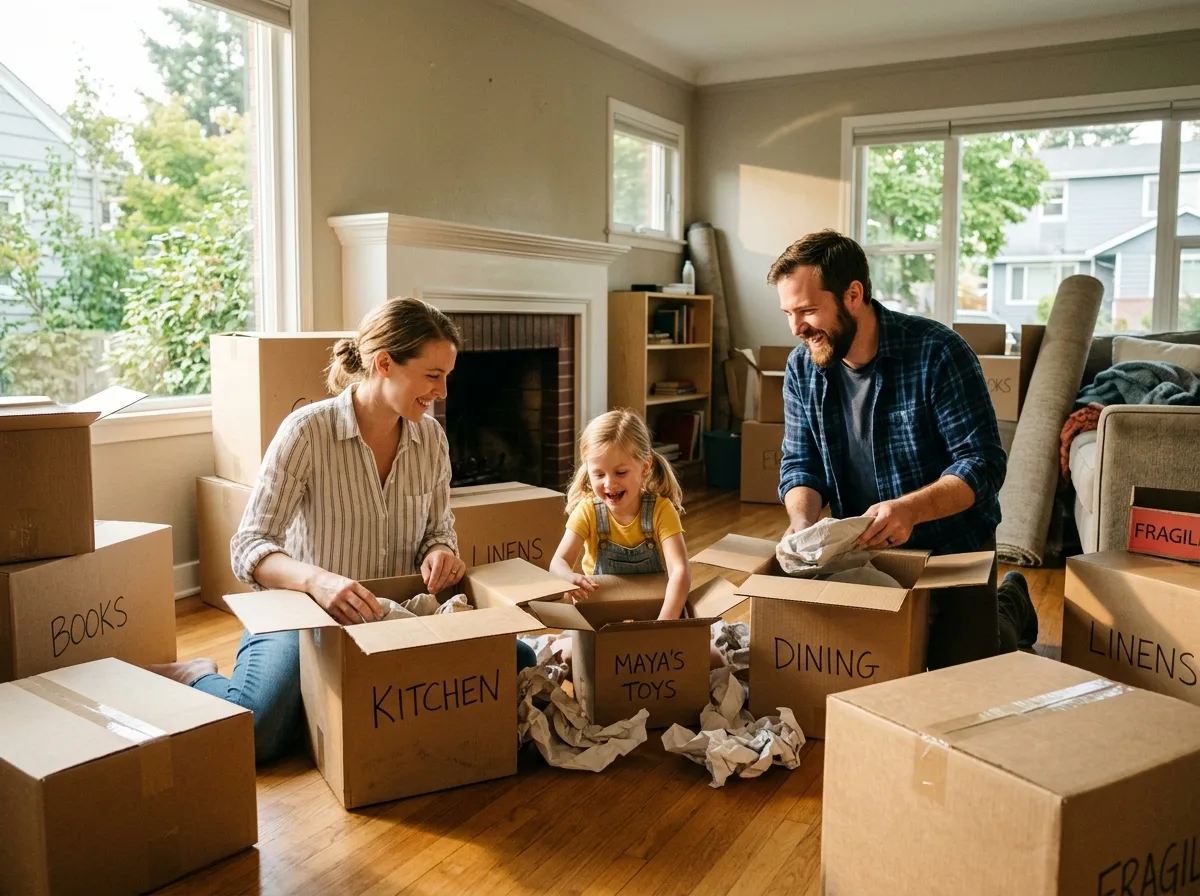
Would rather skip the packing?
Get quotes from full-service movers who pack for you — free, no obligation.
Consider downsizing your book collection before packing
Since many interstate movers price partly by weight, a large book collection can genuinely affect your moving cost. Those shelves full of hardcovers add up fast on a scale. Donating books you are unlikely to reread — before packing, not during — is one of the more effective ways to reduce both box count and total weight. Deciding mid-pack is harder because you are already tired and pressed for time.
Local libraries, Little Free Library boxes, and thrift stores are the easiest drop-off options for a general collection. Some used bookstores will buy or trade titles in good condition, which offsets a little of the moving budget instead of costing you anything. When you sort, ask yourself whether you would actually pick a given book up again rather than whether it is technically still worth something. That second question leads to keeping too much. The first one tends to produce a more honest downsizing pass.
A trick for extra protection: line the box with hardcovers
If you're mixing hardcovers and paperbacks, place the sturdier hardcover books around the outside of the box, against the walls, and put paperbacks toward the center. The hardcovers take the brunt of any bumps during loading and transit, protecting the more easily bent paperbacks inside. (Source: Emerson College Undergraduate Publishing)
If you are a regular reader, it is worth pulling one or two books out of the boxes entirely and carrying them separately for the trip itself. There is no reason to pack away everything you might want to read on a long drive or flight. A paperback in a carry-on or glove compartment costs nothing extra and can make a multi-day trip far more pleasant.
Consider mailing some boxes instead of moving them
If a chunk of your collection isn't urgent, USPS Media Mail is worth pricing out as an alternative to loading it on the truck. It's a weight-based rate specifically for books (at least 8 pages), along with other printed media, and it's typically the cheapest way to ship a heavy box of books domestically — though it moves slower than other mail classes and packages are subject to inspection to confirm the contents actually qualify. For a large book collection on an interstate move, splitting some boxes off to mail separately can meaningfully reduce what your movers are weighing and charging for. (Source: USPS)
Media Mail is restricted to qualifying printed matter. It cannot be used to sneak in other household items packed alongside the books, and USPS reserves the right to open a package to verify the contents. Boxing books separately from anything else, and keeping the box specifically to books and printed media, avoids any issue at the post office and keeps the lower rate valid. A single mixed box can void the discount for the whole shipment or cause delays while they inspect.
If books will sit in storage or a container for a while, temperature and humidity matter
The Library of Congress's preservation guidance for book storage calls for a cool, room-temperature-or-below environment with relatively low humidity (around 35 percent relative humidity), and specifically warns against attics, basements, and other spots prone to leaks or temperature swings. If your interstate move involves a storage unit, a container sitting outside for a stretch, or any real gap of weeks between pickup and delivery, that guidance is worth applying to book boxes specifically — they're one of the few household items where a hot garage or damp storage unit can cause permanent damage rather than just inconvenience. (Source: Library of Congress)
Elevate boxes off a concrete floor with a pallet or shelving rather than stacking directly on the ground. Concrete holds moisture and can wick dampness into the bottom layer of boxes even in an otherwise dry unit. If you are storing long-term, it is also worth checking stored book boxes occasionally if they will sit for months rather than weeks. Silverfish and other pests are drawn to paper and glue, and catching an infestation early limits the damage to a box or two instead of an entire collection. A quick visual check every couple of months takes little time and can save a lot.
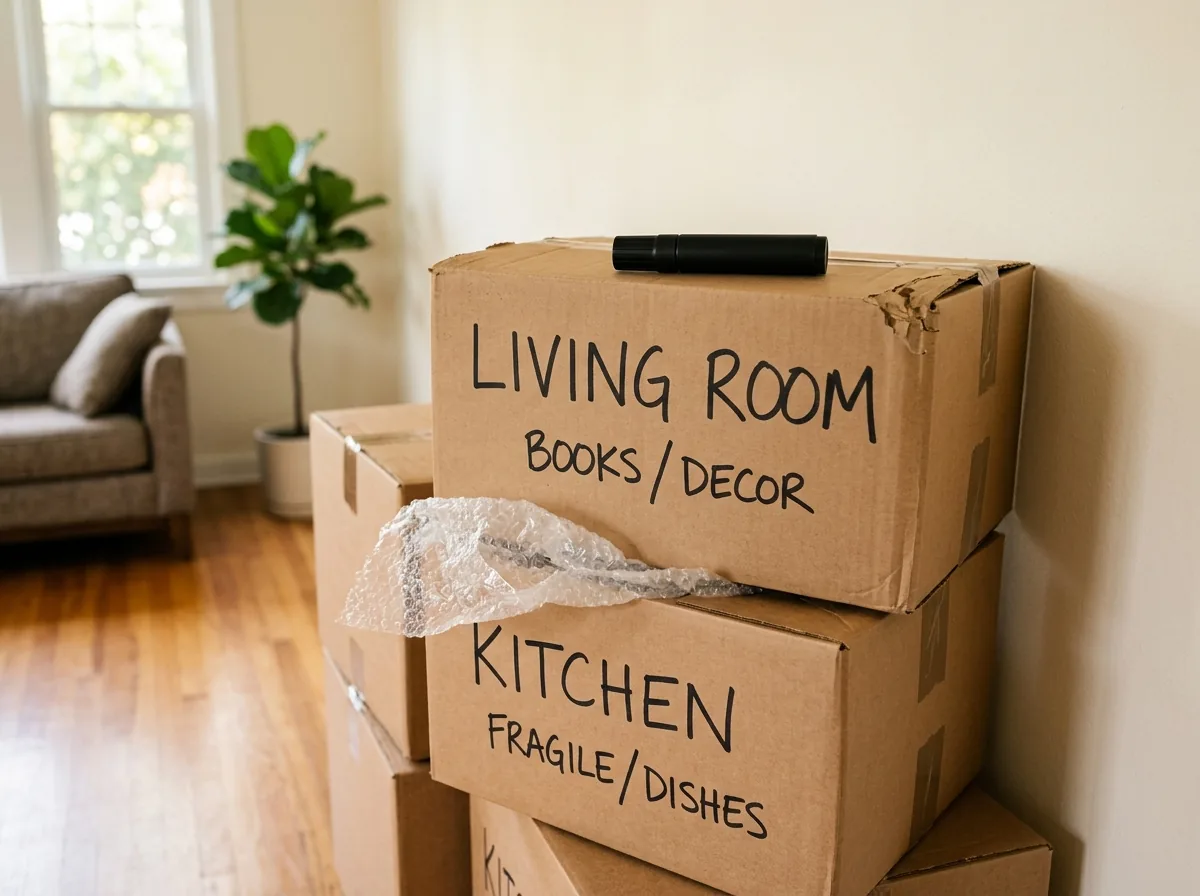
Get quotes for your move
Compare real mover reviews and get matched — free, no obligation.
Frequently asked questions
Books are far denser than most household items, so a box that looks reasonably full by volume can already be at or past a safe lifting weight — this catches people off guard more with books than almost anything else.
Either works structurally, but packing them flat (stacked like a table) generally protects spines and covers better than standing them upright, where they can bend under the weight of neighboring books.
Often yes — since many interstate movers price partly by weight, a large book collection can meaningfully affect cost. Donating books you're unlikely to reread is one of the more effective pre-move cost reductions.
No — valuable or rare books deserve individual wrapping and a smaller, better-cushioned box, similar to how you'd treat any fragile, high-value item, not the standard bulk-book approach.