Best interstate movers in Seattle, WA
Beyond the statewide Washington basics, Seattle has its own housing stock, traffic patterns, and building logistics worth knowing before you book.
- Real customer reviews — never fabricated
- FMCSA registration data linked directly
- Free to use, no obligation
Get matched with Seattle movers
Tell us about your move and we'll connect you with movers who serve your route. Free, no spam.
National interstate movers serving Seattle
Every major national van line operates in the Seattle area. Ranked here by real Google rating:




Get quotes for your Seattle move
Tell us your route and home size — free, no obligation.
Typical interstate moving cost in Seattle by home size
| Home size | Short-distance | Medium-distance | Long-distance |
|---|---|---|---|
| Studio / 1 bedroom | $1,600–$2,800 | $1,900–$3,400 | $2,200–$4,000 |
| 2 bedroom | $2,500–$4,200 | $3,000–$5,200 | $3,500–$6,200 |
| 3 bedroom | $3,600–$5,800 | $4,300–$7,200 | $5,000–$8,500 |
| 4+ bedroom | $5,200–$8,000 | $6,500–$10,000 | $7,500–$12,000+ |
See our Seattle moving cost calculator for the full home-size × distance breakdown, or the general moving cost calculator for any origin.
Popular interstate moving routes to and from Seattle
Each corridor below has its own dedicated page with typical cost, transit time, and what to plan for on that specific route — pulled from the same underlying route data used across this site, not a separate estimate.
| Route | Distance |
|---|---|
| Los Angeles to Seattle | ~1,135 miles |
Los Angeles to Seattle
Why people make this move: No state income tax in Washington, unlike California
Worth knowing: This corridor runs along I-5 for most of its length — a relatively straightforward drive compared to more mountainous routes
Seattle trades California's dry heat for a mild but notably wet, overcast climate much of the year — summers are pleasant and dry, but fall through spring brings persistent rain.
Full Los Angeles–Seattle route breakdown →What's specific to moving to Seattle
Seattle's persistent rain much of the year outside summer is worth planning around, so ask your mover about how they protect belongings during loading in wet weather, since it's a near-constant factor for much of the calendar. Moisture can warp wood furniture, damage cardboard boxes, and create slip hazards on walkways, so professional crews should bring floor runners, furniture blankets with waterproof backing, and tenting or canopy options for open doorways. You will want to lay down protection in your entry areas too, since wet boots track in mud and grit that scratches floors. Schedule buffer time into your moving day, because heavy downpours slow down the pace of carrying items in and out, and tarps and extra wrapping add steps to every load.
Specialty moving services for Seattle
Piano moving in Seattle
Piano moving is one of the more commonly requested specialty services for interstate movers in Seattle. The city's hilly terrain can complicate truck access in neighborhoods like Queen Anne and parts of Capitol Hill, making professional piano transport especially valuable for navigating tight or steep approaches. Many apartment buildings also require advance elevator scheduling and a certificate of insurance, so working with movers who already understand these building requirements helps avoid last-minute delays. See our full piano moving guide for tips on protecting your instrument during a Seattle move. See our full guide →
Gun safe moving in Seattle
Gun safe moving is one of the more commonly requested specialty services for interstate movers in Seattle. These heavy, bulky items require specialized equipment and trained crews to handle safely, particularly given Seattle's hilly terrain where truck access can be limited in neighborhoods like Queen Anne and parts of Capitol Hill. The persistent rain much of the year adds another layer of complexity, since protecting a steel safe from moisture during loading matters for preventing rust or damage. Ask your mover specifically about how they shield heavy items during wet weather conditions. Learn more about our gun safe moving services and what to expect. See our full guide →
Hot tub moving in Seattle
Hot tub moving is one of the more commonly requested specialty services for interstate movers in Seattle. These large units are difficult to maneuver even on flat ground, and Seattle's hilly terrain makes professional handling even more critical in areas like Queen Anne and parts of Capitol Hill where truck access is already constrained. The near-constant rain for much of the calendar year also means you'll want to confirm how your mover protects the tub's electrical components and surfaces during loading in wet conditions. Read our complete hot tub moving guide to prepare for your relocation. See our full guide →
Popular Seattle neighborhoods for interstate relocators
Alternatives to a full-service Seattle mover
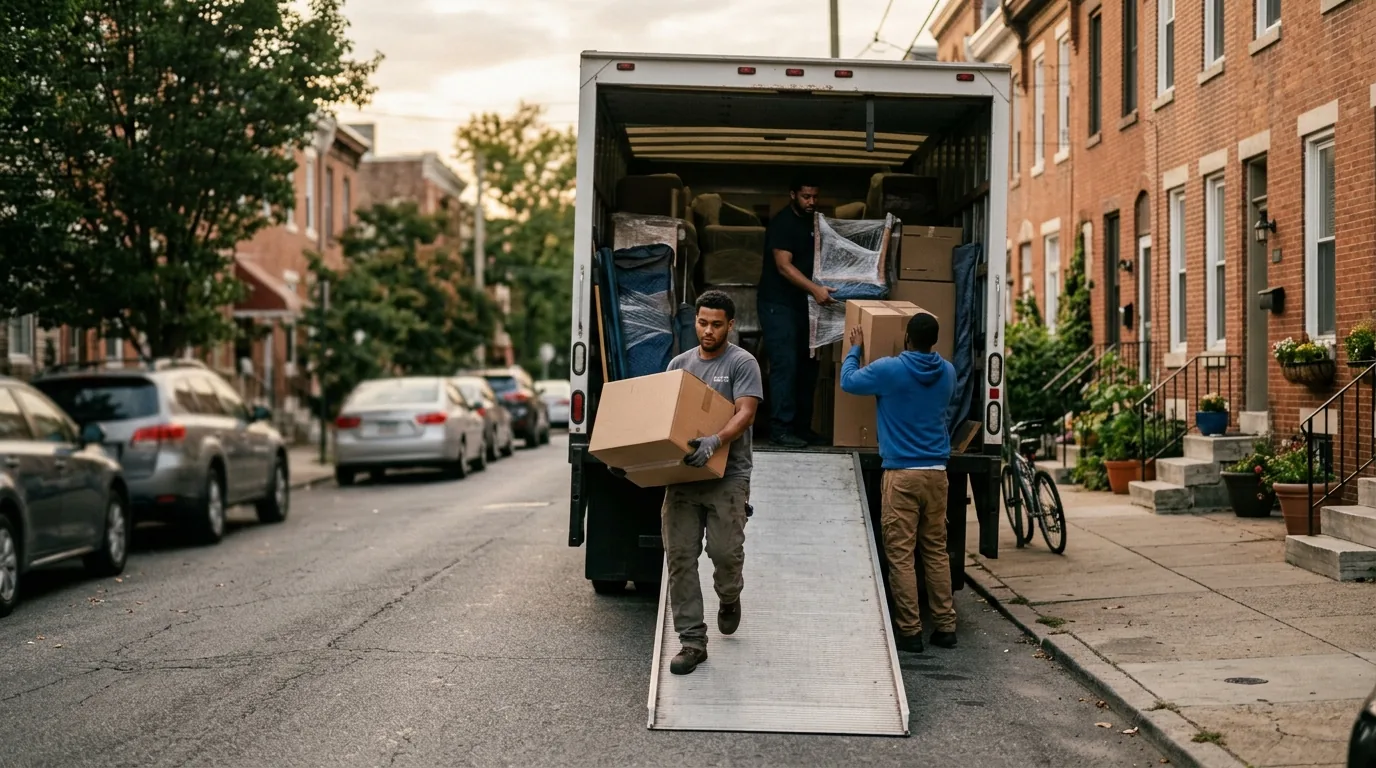
For moves under 500 miles, the cost gap between full-service and DIY options narrows enough that it is worth comparing both approaches before deciding. Shorter distances mean less fuel, fewer overnight stays for crews, and lower overall mileage charges, which brings professional mover estimates down closer to what you might spend renting a truck and handling everything yourself. That said, the DIY route still has hidden costs that are easy to overlook at first glance. You will need to factor in truck rental, fuel, mileage fees, packing supplies, equipment rentals for heavy items, and the value of your own time spent loading, driving, and unloading. Depending on your schedule and physical ability, a full-service company handling the labor might justify a slightly higher price tag, especially if you are moving on a tight timeline or have bulky furniture to navigate through stairs or narrow doorways. The best move is to get at least two quotes from full-service movers and run your own detailed cost estimate for a rental truck before assuming the DIY path saves money for a move to or from Seattle specifically.
Still deciding on a mover?
Compare real reviews for movers serving Seattle, or get free quotes now.
Frequently asked questions
For a typical 2–3 bedroom home moving 1,000+ miles, expect roughly $5,000–$8,500 with a full-service mover. Shorter regional moves cost meaningfully less. Use our moving cost calculator for a number specific to your exact origin and home size.
Seattle's hilly terrain affects truck access in several neighborhoods, and many apartment buildings require a certificate of insurance and advance elevator scheduling. Steep grades can limit where large moving trucks can park or maneuver, so crews may need to use smaller shuttle vehicles or carry items longer distances from the street to your door. Buildings with elevators almost always need time-blocked reservations, sometimes with strict start and end times, and the certificate of insurance must name the property management company exactly as they specify. Plan these logistics at least a week ahead, and confirm whether your building has loading docks, rear alleys, or other access points that might work better than the main entrance on a slope.
Seattle traffic, especially crossing the floating bridges to the Eastside, is a genuine scheduling factor, so avoid rush hour for any move that crosses the large lake to the east. Morning and evening commute periods can turn a routine crossing into a multi-hour delay, and moving trucks with full loads cannot navigate alternative routes as nimbly as passenger cars. The bridges themselves have limited lanes and occasional drawspan openings for marine traffic, which adds unpredictable bottlenecks even outside peak times. Schedule your truck to cross mid-morning or early afternoon when possible, and build in extra time for the return trip if your crew needs to make multiple runs between the two sides of the metro area.
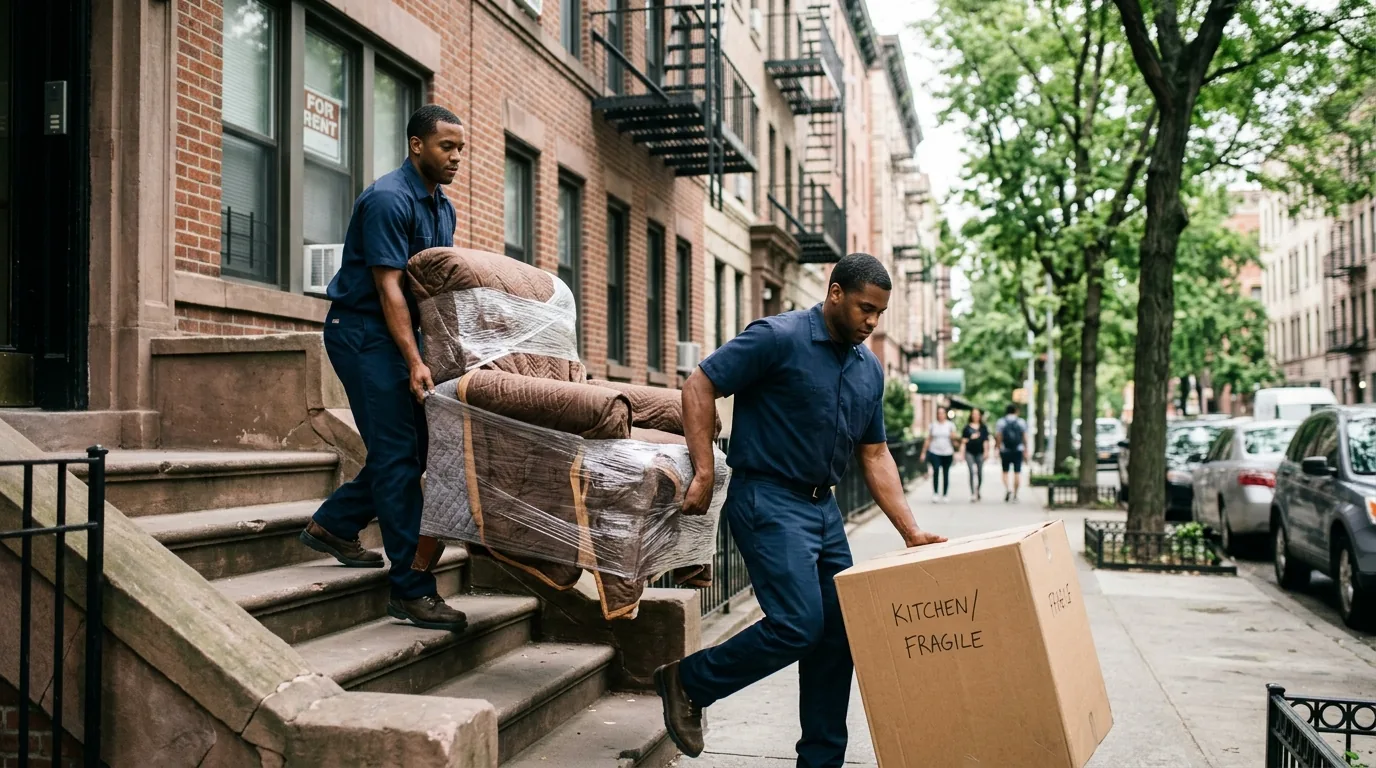
Capitol Hill, Ballard, Queen Anne, Eastside (Bellevue) are among the most commonly mentioned — each has different logistics, so ask your mover about experience with your specific area.
4-8 weeks ahead for most of the year, 8-12 weeks ahead if moving during peak season (May-August). Popular destination cities can book up faster than less in-demand markets.