Best interstate movers in Rapid City, SD
Beyond the statewide South Dakota basics, Rapid City has its own housing stock, traffic patterns, and building logistics worth knowing before you book.
- Real customer reviews — never fabricated
- FMCSA registration data linked directly
- Free to use, no obligation
Get matched with Rapid City movers
Tell us about your move and we'll connect you with movers who serve your route. Free, no spam.
National interstate movers serving Rapid City
Every major national van line operates in the Rapid City area. Ranked here by real Google rating:



Get quotes for your Rapid City move
Tell us your route and home size — free, no obligation.
Typical interstate moving cost in Rapid City by home size
| Home size | Short-distance | Medium-distance | Long-distance |
|---|---|---|---|
| Studio / 1 bedroom | $1,600–$2,800 | $1,900–$3,400 | $2,200–$4,000 |
| 2 bedroom | $2,500–$4,200 | $3,000–$5,200 | $3,500–$6,200 |
| 3 bedroom | $3,600–$5,800 | $4,300–$7,200 | $5,000–$8,500 |
| 4+ bedroom | $5,200–$8,000 | $6,500–$10,000 | $7,500–$12,000+ |
See our Rapid City moving cost calculator for the full home-size × distance breakdown, or the general moving cost calculator for any origin.
What's specific to moving to Rapid City
The mountain terrain and higher elevation near the Black Hills bring genuine winter conditions that flatland movers may underestimate, including snow accumulation, icy grades, and temperatures that can complicate everything from truck traction to protecting temperature-sensitive belongings during transit. Cold-season moves require more flexible timing built around weather windows, proper tire and equipment preparation, and extra protection for items that can crack or degrade in freezing conditions. The elevation changes themselves affect fuel consumption and vehicle strain in ways that flat-route planning around Sioux Falls simply does not present.
Specialty moving services for Rapid City
Hot tub moving in Rapid City
Rapid City is mostly single-family housing, which is exactly the kind of property where hot tubs are commonly installed and need specialty handling. These large, heavy units require proper equipment and technique to move safely, especially given the elevation changes and winter weather that can complicate a cold-season relocation. Whether you are bringing a hot tub to a new Black Hills-area home or taking one with you on an interstate move, professional handling helps protect both the unit and your property. See our full hot tub moving guide for what to expect. See our full guide →
Pool table moving in Rapid City
Rapid City is mostly single-family housing, which is exactly the kind of property where pool tables are commonly found and need specialty handling. These heavy, precision-built pieces require careful disassembly, transport, and reassembly to avoid damage to the slate, frame, or felt. The city's mountain-adjacent location with real winter weather and elevation changes can add extra complexity to a move, making experienced movers especially valuable. See our full pool table moving guide for tips on planning your relocation. See our full guide →
Popular Rapid City neighborhoods for interstate relocators
Alternatives to a full-service Rapid City mover
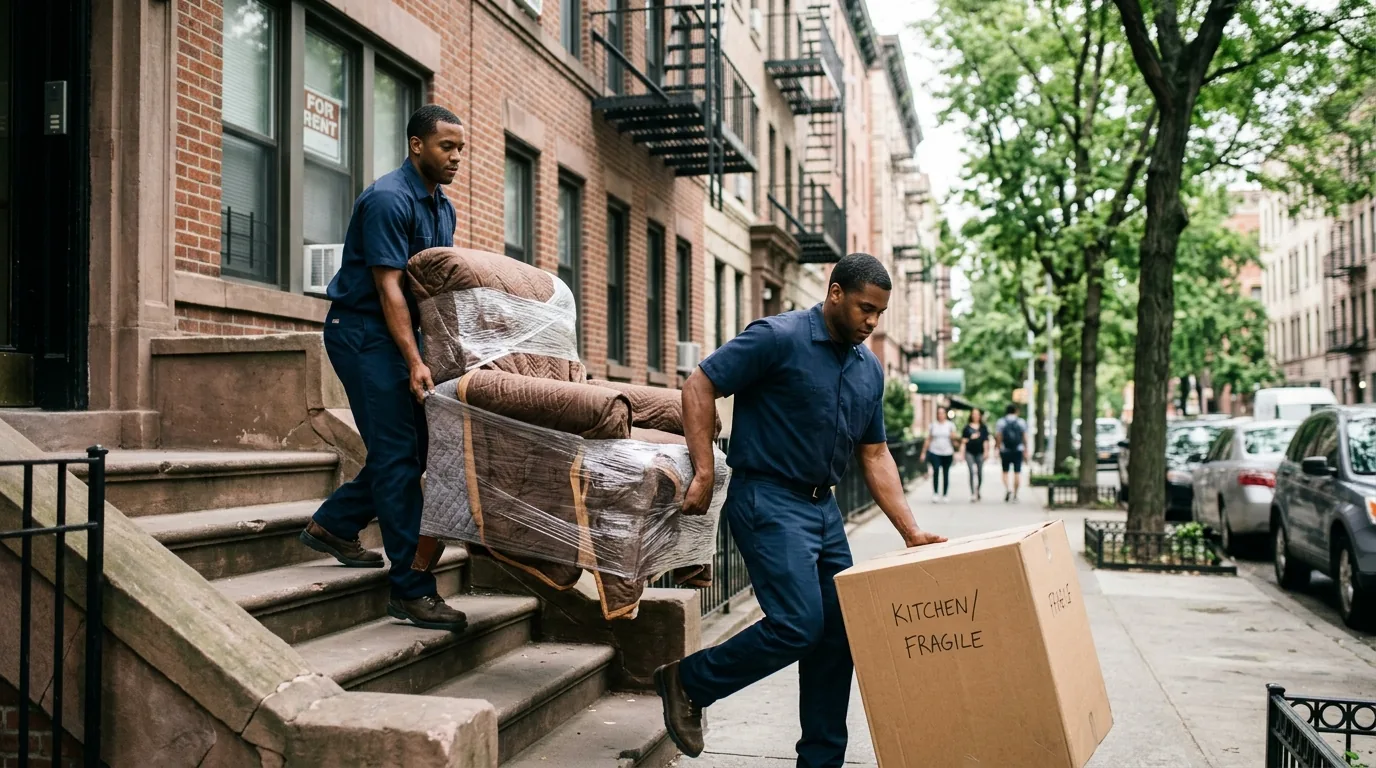
For moves under 500 miles, the cost gap between full-service and DIY options narrows enough that it is worth comparing both approaches before deciding. Shorter distances mean less fuel, fewer overnight stays for crews, and lower overall mileage charges, which brings professional mover estimates down closer to what you might spend renting a truck and handling everything yourself. That said, the DIY route still has hidden costs that are easy to overlook at first glance. You will need to factor in truck rental, fuel, mileage fees, packing supplies, equipment rentals for heavy items, and the value of your own time spent loading, driving, and unloading. Depending on your schedule and physical ability, a full-service company handling the labor might justify a slightly higher price tag, especially if you are moving on a tight timeline or have bulky furniture to navigate through stairs or narrow doorways. The best move is to get at least two quotes from full-service movers and run your own detailed cost estimate for a rental truck before assuming the DIY path saves money for a move to or from Rapid City specifically.
Still deciding on a mover?
Compare real reviews for movers serving Rapid City, or get free quotes now.
Frequently asked questions
For a typical 2–3 bedroom home moving 1,000+ miles, expect roughly $5,000–$8,500 with a full-service mover. Shorter regional moves cost meaningfully less. Use our moving cost calculator for a number specific to your exact origin and home size.
Rapid City's housing stock is overwhelmingly single-family homes rather than dense multi-story buildings, which tends to make loading and unloading straightforward for moving crews with fewer complications like elevator reservations or loading dock coordination. The city's economic base in tourism and outdoor recreation shapes the moving calendar somewhat differently than in Sioux Falls, where finance and healthcare industries drive more corporate relocations with tighter schedules. Residential moves here often align more with seasonal lifestyle changes and outdoor enthusiasts arriving for access to the Black Hills region.
Day-to-day congestion is rarely a significant concern for scheduling moves, though the summer tourist season brings predictable influxes of visitors heading toward the Black Hills that can slow main approach corridors and fill parking at staging areas. Moving crews benefit from planning around these seasonal patterns, particularly for jobs involving multiple trips or larger vehicles that maneuver less easily through slowed traffic. The light baseline traffic does mean that when delays occur, they tend to be concentrated and foreseeable rather than the chronic unpredictability of larger metro areas.
Downtown, Suburbs are among the most commonly mentioned — each has different logistics, so ask your mover about experience with your specific area.
4-8 weeks ahead for most of the year, 8-12 weeks ahead if moving during peak season (May-August). Popular destination cities can book up faster than less in-demand markets.