Best interstate movers in Billings, MT
Beyond the statewide Montana basics, Billings has its own housing stock, traffic patterns, and building logistics worth knowing before you book.
- Real customer reviews — never fabricated
- FMCSA registration data linked directly
- Free to use, no obligation
Get matched with Billings movers
Tell us about your move and we'll connect you with movers who serve your route. Free, no spam.
National interstate movers serving Billings
Every major national van line operates in the Billings area. Ranked here by real Google rating:




Get quotes for your Billings move
Tell us your route and home size — free, no obligation.
Typical interstate moving cost in Billings by home size
| Home size | Short-distance | Medium-distance | Long-distance |
|---|---|---|---|
| Studio / 1 bedroom | $1,600–$2,800 | $1,900–$3,400 | $2,200–$4,000 |
| 2 bedroom | $2,500–$4,200 | $3,000–$5,200 | $3,500–$6,200 |
| 3 bedroom | $3,600–$5,800 | $4,300–$7,200 | $5,000–$8,500 |
| 4+ bedroom | $5,200–$8,000 | $6,500–$10,000 | $7,500–$12,000+ |
See our Billings moving cost calculator for the full home-size × distance breakdown, or the general moving cost calculator for any origin.
Popular interstate moving routes to and from Billings
Each corridor below has its own dedicated page with typical cost, transit time, and what to plan for on that specific route — pulled from the same underlying route data used across this site, not a separate estimate.
| Route | Distance |
|---|---|
| Denver to Billings | ~550 miles |
Denver to Billings
Why people make this move: Notably lower housing costs than metro Denver, though Bozeman itself has risen substantially in recent years
Worth knowing: This corridor runs through mountain terrain for parts of the route — check weather conditions for a winter move
Montana has colder, longer, and snowier winters than Denver's Front Range — a genuine adjustment despite both states sharing a mountain-adjacent identity.
Full Denver–Billings route breakdown →What's specific to moving to Billings
Billings is more affordable and less rapidly growing than Montana's mountain-resort towns (Bozeman, Missoula) — confirm which part of the state you're actually comparing costs against, since the difference is significant and the state's reputation is often shaped by the resort towns specifically. The resort-driven markets have seen explosive demand that strains moving capacity, drives up labor rates, and creates booking competition that simply does not exist in Billings at the same intensity. When requesting quotes or researching cost-of-living adjustments, specify whether your employer or real estate agent is referencing the mountain corridor or the eastern plains, as the gap affects everything from truck availability to temporary rental rates. Billings moves at a steadier, more predictable pace that benefits families and retirees relocating from comparable mid-sized cities rather than those expecting the frenzied appreciation cycles of ski-country boomtowns.
Specialty moving services for Billings
Hot tub moving in Billings
Billings is mostly single-family and low-rise housing, which is exactly the kind of property where hot tubs tend to show up and need specialty handling. The generally easy truck access in these neighborhoods helps with transport, but the bulky, heavy units still require proper equipment and experience to move safely. Whether you are arriving from Denver or another origin point, planning for hot tub relocation early keeps the rest of your move on track. See our full hot tub moving guide for what to expect. See our full guide →
Pool table moving in Billings
Billings is mostly single-family and low-rise housing, which is exactly the kind of property where pool tables tend to show up and need specialty handling. These items require careful disassembly, padding, and leveling at the destination, even with the easier truck access that Billings typically offers. The lower moving costs compared to Denver can leave room in your budget for professional handling of heavy recreational items. See our full pool table moving guide for tips on protecting your investment. See our full guide →
Popular Billings neighborhoods for interstate relocators
Alternatives to a full-service Billings mover
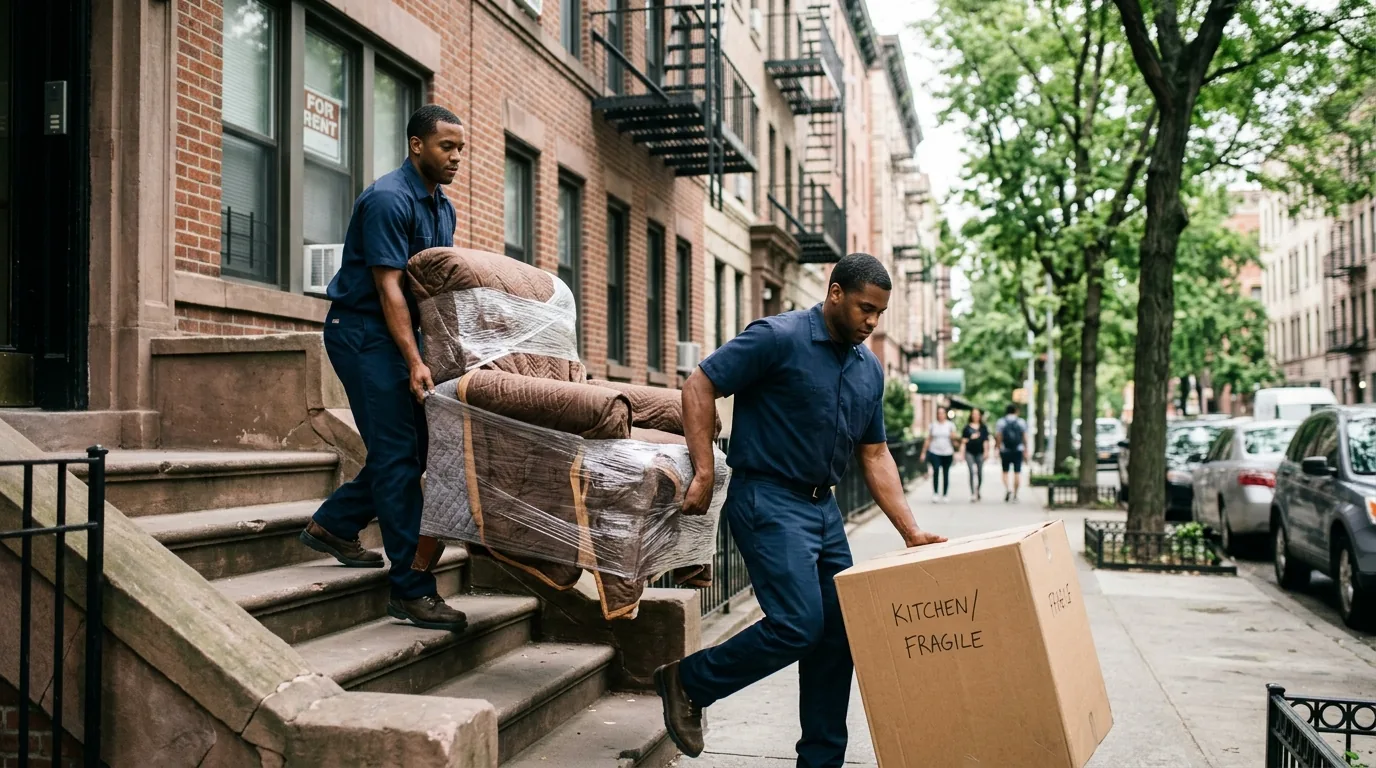
For moves under 500 miles, the cost gap between full-service and DIY options narrows enough that it is worth comparing both approaches before deciding. Shorter distances mean less fuel, fewer overnight stays for crews, and lower overall mileage charges, which brings professional mover estimates down closer to what you might spend renting a truck and handling everything yourself. That said, the DIY route still has hidden costs that are easy to overlook at first glance. You will need to factor in truck rental, fuel, mileage fees, packing supplies, equipment rentals for heavy items, and the value of your own time spent loading, driving, and unloading. Depending on your schedule and physical ability, a full-service company handling the labor might justify a slightly higher price tag, especially if you are moving on a tight timeline or have bulky furniture to navigate through stairs or narrow doorways. The best move is to get at least two quotes from full-service movers and run your own detailed cost estimate for a rental truck before assuming the DIY path saves money for a move to or from Billings specifically.
Still deciding on a mover?
Compare real reviews for movers serving Billings, or get free quotes now.
Frequently asked questions
For a typical 2–3 bedroom home moving 1,000+ miles, expect roughly $5,000–$8,500 with a full-service mover. Shorter regional moves cost meaningfully less. Use our moving cost calculator for a number specific to your exact origin and home size.
Billings, Montana's largest city, is mostly single-family and low-rise housing with generally easy truck access — costs run notably lower than Denver, a common origin point for movers on this corridor, and the city functions more as a regional commercial hub than a resort town. The flat-to-gently-rolling terrain means movers rarely encounter the tight switchbacks or steep grades that complicate deliveries in mountain towns, and driveways tend to be generous enough for standard moving trucks without shuttle requirements. Because the housing stock skews toward ranch-style homes and modest apartment complexes rather than high-rises, crews spend less time navigating elevators or loading docks and more time on straightforward door-to-door service. The regional commercial character also means storage and temporary housing options tend to be practical and competitively priced rather than carrying the seasonal premiums common in vacation destinations.
Traffic is generally light, with real winter weather (snow, cold) a genuine scheduling factor — Montana winters are longer and colder than Denver's Front Range, and mountain-pass routes into the state can see winter closures worth checking before a cold-season move. The relatively uncongested roads mean that when storms do hit, crews face fewer chain-reaction delays from other vehicles, but the storms themselves arrive harder and stay longer than newcomers from milder climates expect. Moving trucks perform differently in subzero temperatures, with diesel gelling, hydraulic systems slowing, and loading surfaces becoming hazardous if not salted and cleared. Planning a buffer day or two around your delivery window from November through March is prudent, and discussing cold-weather contingencies with your coordinator prevents the frustration of a truck stranded on a closed pass while your lease start date ticks closer.
Downtown, Rimrocks area, Suburbs are among the most commonly mentioned — each has different logistics, so ask your mover about experience with your specific area.
4-8 weeks ahead for most of the year, 8-12 weeks ahead if moving during peak season (May-August). Popular destination cities can book up faster than less in-demand markets.