Best interstate movers in Honolulu, HI
Beyond the statewide Hawaii basics, Honolulu has its own housing stock, traffic patterns, and building logistics worth knowing before you book.
- Real customer reviews — never fabricated
- FMCSA registration data linked directly
- Free to use, no obligation
Get matched with Honolulu movers
Tell us about your move and we'll connect you with movers who serve your route. Free, no spam.
National interstate movers serving Honolulu
Every major national van line operates in the Honolulu area. Ranked here by real Google rating:




Get quotes for your Honolulu move
Tell us your route and home size — free, no obligation.
Typical interstate moving cost in Honolulu by home size
| Home size | Short-distance | Medium-distance | Long-distance |
|---|---|---|---|
| Studio / 1 bedroom | $1,600–$2,800 | $1,900–$3,400 | $2,200–$4,000 |
| 2 bedroom | $2,500–$4,200 | $3,000–$5,200 | $3,500–$6,200 |
| 3 bedroom | $3,600–$5,800 | $4,300–$7,200 | $5,000–$8,500 |
| 4+ bedroom | $5,200–$8,000 | $6,500–$10,000 | $7,500–$12,000+ |
See our Honolulu moving cost calculator for the full home-size × distance breakdown, or the general moving cost calculator for any origin.
Note: Honolulu doesn't fit the standard mainland cost table above at all — there's no driving option, so household goods move exclusively by containerized ocean freight or air freight, and costs run significantly higher as a result. Get quotes directly from movers who specialize in Hawaii relocations.
What's specific to moving to Honolulu
As covered in our Hawaii state guide, there's no truck-based option for getting belongings to Honolulu at all — everything arrives by containerized ocean freight or air freight, and local logistics inside Honolulu itself (condo loading docks, elevator scheduling) still apply once your shipment lands. Ocean freight means longer transit times and coordination with port release, while air freight costs significantly more and works only for smaller loads. Once your container clears, you are dealing with the same building constraints as any urban move: freight elevators often require advance booking, loading docks have time windows, and some high-rises restrict move-in hours entirely. Build buffer days into your schedule between estimated arrival and your actual move-in date to account for customs, port handling, and any building-access delays.
Specialty moving services for Honolulu
Piano moving in Honolulu
Piano moving is one of the more commonly requested specialty services for interstate movers in Honolulu. Because everything arriving in Honolulu comes by containerized ocean freight or air freight rather than truck, a piano must be carefully packed and loaded for that specific journey, then handled again at local condo loading docks and elevator scheduling once it lands. Given the premium on space island-wide, fitting a piano into a condo or apartment in the urban core takes extra planning. See our full piano moving guide for how to coordinate ocean freight and building access. See our full guide →
Appliance moving in Honolulu
Appliance moving is one of the more commonly requested specialty services for interstate movers in Honolulu. Since no trucks can drive to the island, appliances must travel by containerized ocean freight or air freight, which means proper crating and moisture protection matter more than on mainland moves. Once your shipment arrives, navigating condo loading docks and elevator scheduling in the urban core, or tighter residential valley spaces in neighborhoods like Manoa, adds another layer of coordination. See our full appliance moving guide for help planning around freight and building logistics. See our full guide →
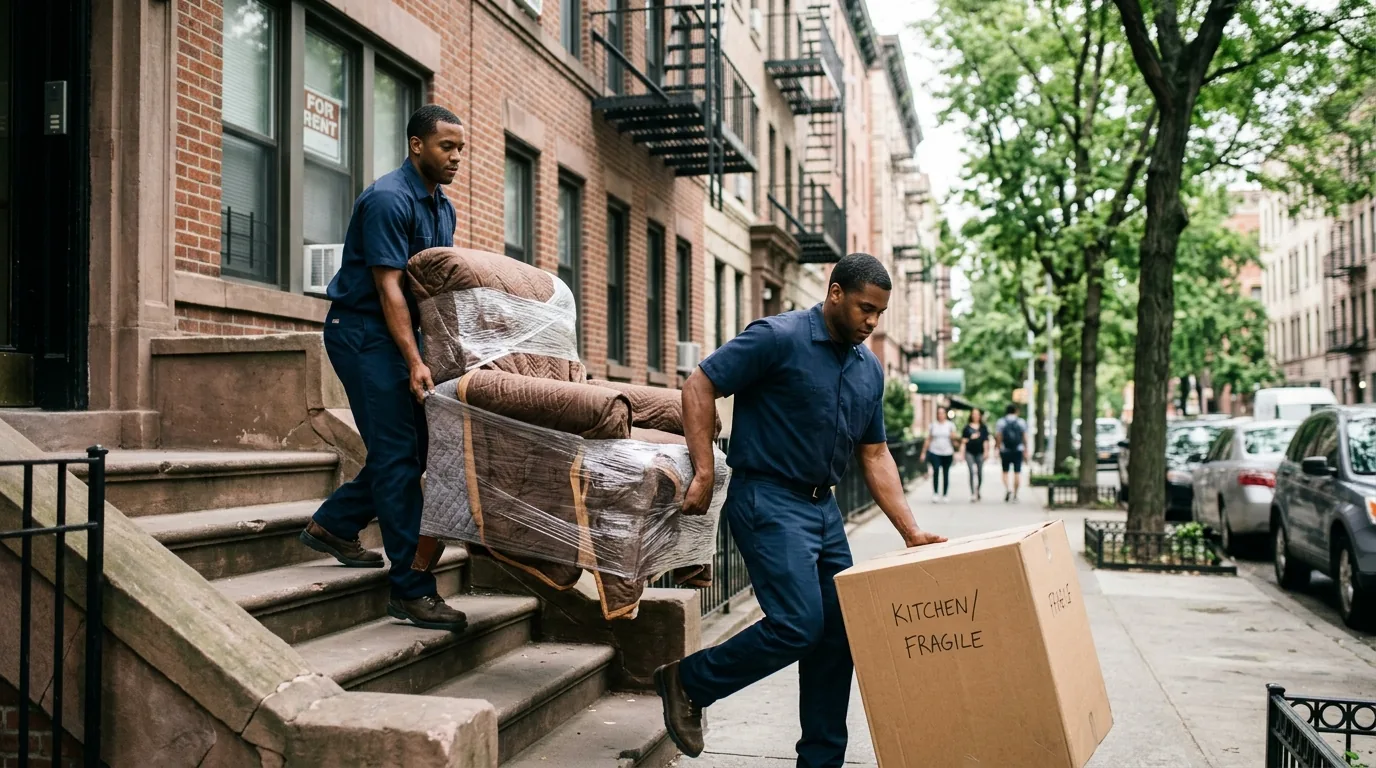
Popular Honolulu neighborhoods for interstate relocators
Alternatives to a full-service Honolulu mover
For moves under 500 miles, the cost gap between full-service and DIY options narrows enough that it is worth comparing both approaches before deciding. Shorter distances mean less fuel, fewer overnight stays for crews, and lower overall mileage charges, which brings professional mover estimates down closer to what you might spend renting a truck and handling everything yourself. That said, the DIY route still has hidden costs that are easy to overlook at first glance. You will need to factor in truck rental, fuel, mileage fees, packing supplies, equipment rentals for heavy items, and the value of your own time spent loading, driving, and unloading. Depending on your schedule and physical ability, a full-service company handling the labor might justify a slightly higher price tag, especially if you are moving on a tight timeline or have bulky furniture to navigate through stairs or narrow doorways. The best move is to get at least two quotes from full-service movers and run your own detailed cost estimate for a rental truck before assuming the DIY path saves money for a move to or from Honolulu specifically.
Still deciding on a mover?
Compare real reviews for movers serving Honolulu, or get free quotes now.
Frequently asked questions
For a typical 2–3 bedroom home moving 1,000+ miles, expect roughly $5,000–$8,500 with a full-service mover. Shorter regional moves cost meaningfully less. Use our moving cost calculator for a number specific to your exact origin and home size.
Honolulu housing is dominated by condos and apartments in the urban core, with more traditional single-family housing in residential valley neighborhoods like Manoa — space is at a genuine premium island-wide, reflected in both size and cost. Expect tighter square footage than mainland equivalents at every price point, and budget carefully for parking since many buildings offer limited stalls or none at all. Valley neighborhoods tend to have narrower streets and steeper driveways, which affects where a moving crew can position a truck and how they route your belongings inside. Storage solutions off-site are common because closets and garages run small, so plan whether you need to downsize before shipping or rent additional space after arrival.
Honolulu's traffic is genuinely heavy for the island's size, particularly on the H-1 freeway during commute hours — factor this into scheduling the local portion of your move once your shipment has arrived. Morning and evening rush periods can turn short distances into long crawls, so aim your delivery window for mid-morning or early afternoon when possible. Local crews know the patterns, but your building's elevator reservation may not flex around gridlock, creating a costly mismatch if the truck arrives late. Wet weather can compound slowdowns quickly, so build in extra time between pickup from the port or warehouse and your scheduled building access.
Downtown/Kakaako, Waikiki, Manoa and other residential valleys are among the most commonly mentioned — each has different logistics, so ask your mover about experience with your specific area.
4-8 weeks ahead for most of the year, 8-12 weeks ahead if moving during peak season (May-August). Popular destination cities can book up faster than less in-demand markets.