10x30 storage unit guide
Updated September 5, 2026
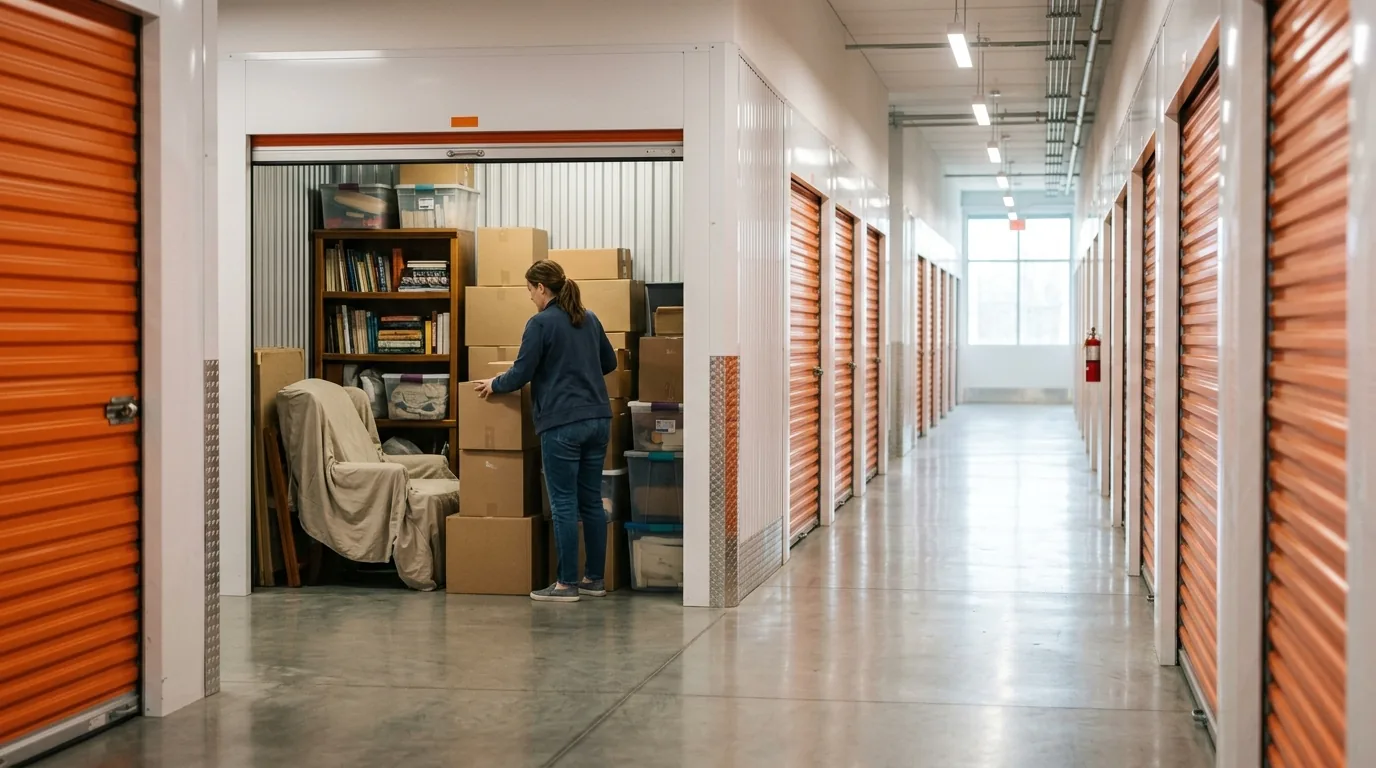
A 10x30 storage unit — 300 square feet — is one of the largest standard sizes, typically holding the contents of a 4-5 bedroom house. Here's what it fits, what it costs, and who actually needs one this big.
On this page
- What fits in a 10x30 storage unit
- Typical monthly cost for renting a 10x30 unit
- Who actually needs this much storage space
- Alternatives to consider before booking a 10x30
- Cubic feet and box capacity for a unit this size
- How to load a 10x30 unit efficiently
- Why storage pricing doesn't always drop even in a slow economy
- If you're storing a vehicle in your 10x30, know the actual rules
- Frequently asked questions
What fits in a 10x30 storage unit
- A full household's worth of furniture from a 4-5 bedroom home
- Major appliances — refrigerator, washer/dryer, and similar
- Multiple bedroom sets, a full dining set, and living room furniture
- Boxes for an entire household, plus garage or basement overflow items
- Some people use part of this size for a vehicle alongside household goods, though a dedicated vehicle storage option is usually a better fit for that specific need
Typical monthly cost for renting a 10x30 unit
A 10x30 typically runs $250-$450/month, though pricing varies significantly by location and demand — see our self-storage cost guide for the full size-by-size breakdown.
Who actually needs this much storage space
This size makes sense for a full household in long-term storage — during a home renovation, an extended relocation transition, or downsizing where you're not ready to part with everything. For most interstate moves where storage is only a brief gap between homes, a smaller size or a moving container's built-in storage option may be more cost-effective. See our full size guide to confirm you actually need this size before booking it.
Alternatives to consider before booking a 10x30
Before committing to the largest standard size, consider whether downsizing some belongings ahead of time could drop you to a 10x20 instead — the monthly savings compound over any extended storage period. For a genuine full-household move rather than long-term storage, a moving container that goes directly to your new home may be more cost-effective than storage plus a separate move.
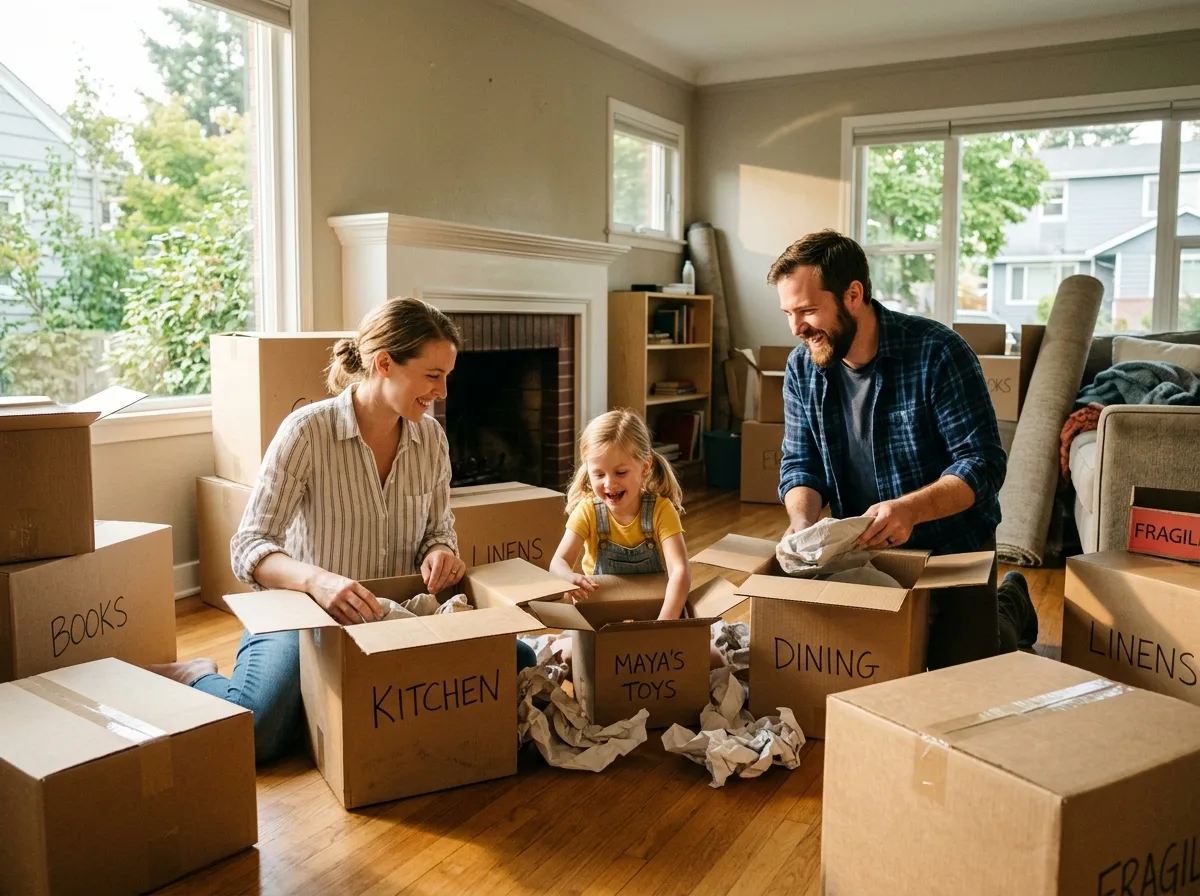
Comparing your options?
Get a full-service moving quote to compare against storage and DIY costs.
Cubic feet and box capacity for a unit this size
With 8-foot ceilings, a 10x30 unit holds about 2,400 cubic feet — roughly comparable in size to a two-car garage. In practical terms, that's enough room for somewhere around 200-300 medium-sized boxes if boxes are most of what you're storing, on top of furniture and appliances. (Source: Bolt Storage)
How to load a 10x30 unit efficiently
At this size, vertical stacking matters more than floor-space planning — stack lighter items on top and heavier ones at the bottom to make full use of the ceiling height instead of just spreading everything across the floor. (Source: Bolt Storage) If you're storing wood furniture, electronics, documents, or anything else sensitive to temperature and humidity swings, a climate-controlled 10x30 is worth the extra monthly cost at this scale — you're likely storing for a longer stretch given how much this size typically holds, which means more exposure to seasonal swings than a short-term rental would see.
Why storage pricing doesn't always drop even in a slow economy
Self-storage has behaved differently than most commercial real estate during economic downturns. U.S. Census Bureau data tracking the sector through 2019-2021 found self-storage posting increasing revenue over that stretch even as other nonresidential building categories saw revenue decline — a resilience the Census Bureau specifically called out compared to other property types. (Source: U.S. Census Bureau)
That matters most at the largest sizes like a 10x30. Demand for bigger units does not necessarily soften just because the broader economy slows down. The people renting this much space are usually mid-transition — handling a move, riding out a renovation, or managing a downsizing — rather than making a discretionary purchase they can easily defer. They need the space now, not eventually. That urgency keeps pricing relatively firm even when other sectors see pullbacks. Do not assume you can wait out a price drop the way you might with, say, retail space. The pool of renters may shrink slightly, but the ones who remain are committed, and facilities know it.
If you're storing a vehicle in your 10x30, know the actual rules
A 10x30 is one of the few standard sizes people realistically consider for a vehicle alongside household goods, but facilities don't let you store just any vehicle as-is. The general requirement across most storage companies is that a stored vehicle be drained of fuel (or close to it), currently registered and insured, and in operable condition — not a project car up on blocks. (Source: Move.org) Gasoline, propane, and other flammable liquids are near-universal prohibited items at self-storage facilities regardless of unit size, precisely because of the fire risk in an enclosed space.
Rules vary by company and even by specific facility. Some locations require commercial insurance on any vehicle entering the lot. Others ban certain fuel types or restrict propane tanks outright. Confirm the exact fuel and documentation requirements with your facility well before moving day. Ask specifically about vehicle height limits, hazardous material policies, and whether your rental truck needs additional proof of coverage. Arriving to find your vehicle is not compliant is a bad surprise when you have already given up your old storage or parking arrangement and have nowhere to turn around.
Get quotes for your move
Compare real mover reviews and get matched — free, no obligation.
Frequently asked questions
A 10x30 unit (300 sq ft) typically holds the contents of a 4-5 bedroom house, including large furniture and major appliances — one of the largest standard sizes most facilities offer.
Some people do store a vehicle alongside household items in a 10x30, but a dedicated vehicle storage unit or covered parking space is usually a better fit if a car is the primary thing being stored — see our vehicle and boat storage guide.
Yes, meaningfully — expect roughly 30-50% more per month than a 10x20, since cost scales fairly directly with square footage.
Not always — the largest sizes are less common and can have more limited availability than mid-size units. Book ahead if you know you need this size, especially during peak moving season.