Moving day tips
Updated September 5, 2026
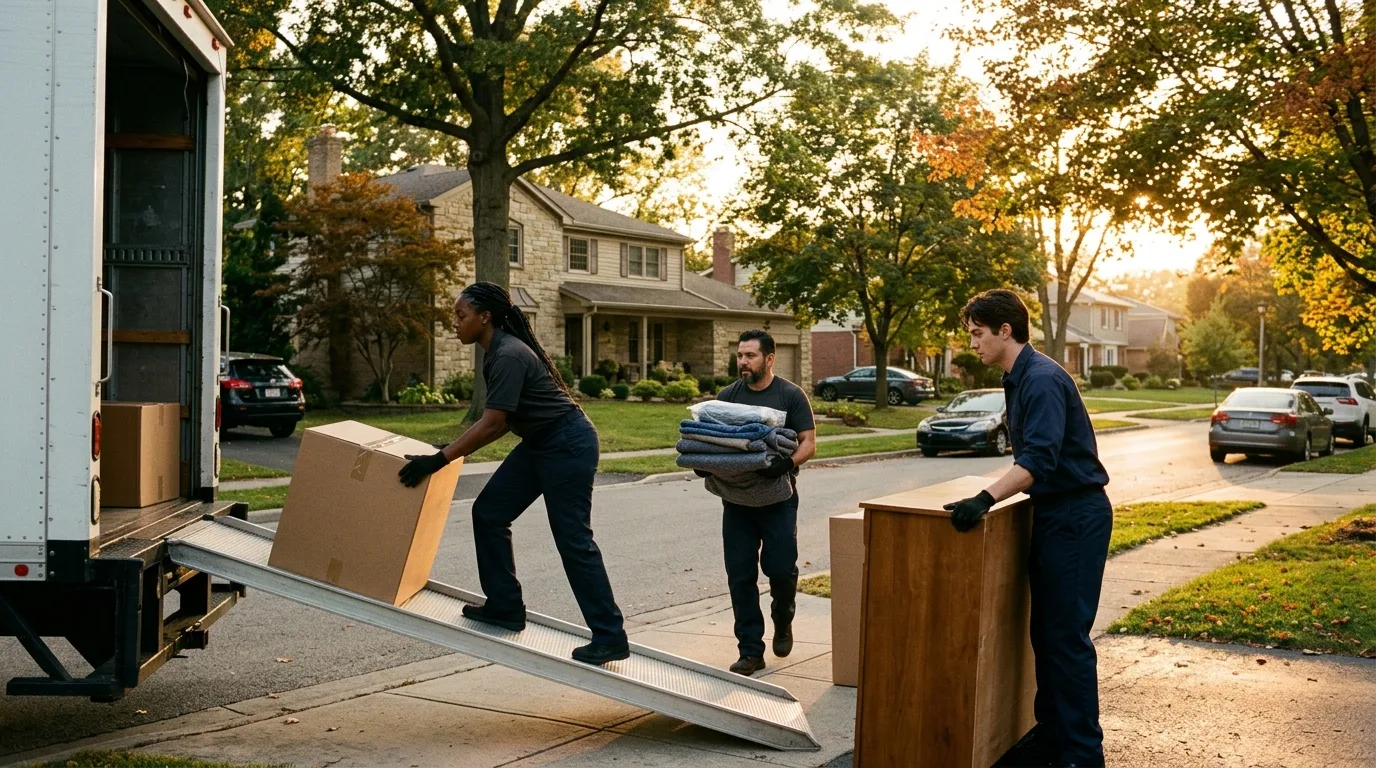
Moving day goes smoothest when the prep happens the night before, not the morning of. Here's what to do before the crew arrives, while they're working, and after everything's unloaded.
On this page
- Before the moving crew arrives
- While the crew is working
- At delivery on moving day
- What to pack in your moving-day essentials bag
- Planning for bad weather on moving day
- What to wear on moving day
- Clear the outside, not just the inside, before movers arrive
- Before the truck pulls away
- Frequently asked questions
Before the moving crew arrives
- Finish packing everything except a personal essentials bag — movers work faster with fewer last-minute boxes to wait on
- Clear pathways — hallways, doorways, and stairs free of loose items and rugs that could slip
- Set aside important documents, medications, valuables, and a few days of clothes to keep with you, not on the truck
- Confirm parking/loading access for the truck, and reserve a permit if your building or street requires one
- Have cash ready if you plan to tip, and water or drinks available for the crew
While the crew is working
- Do a walkthrough with the crew lead before loading starts — point out fragile items, anything not being moved, and any specific instructions
- Stay reachable, even if you're not watching every box — questions about specific items come up throughout the day
- Keep kids and pets in a separate, safe area — a loading truck and busy crew is not a safe environment for either
- Get a copy of the inventory list before the truck leaves, and don't sign off on anything you haven't actually reviewed
At delivery on moving day
- Inspect items against the inventory sheet before signing off — note any damage in writing immediately, not after the crew has left
- Do a final walkthrough of the truck to confirm nothing was left behind
- Keep your copy of the inventory list and any damage notes in case you need to file a claim later
- Tip if service was good — see our full tipping guide for amounts
What to pack in your moving-day essentials bag
- ID, passports, the moving contract, and any other important documents
- Medications and a basic first-aid kit
- Phone chargers and a portable battery pack
- A few days of clothes and toiletries
- Snacks, water, and any items your kids or pets need immediately
- Cash for tipping and any last-minute expenses
- Basic tools — screwdriver, tape, scissors — for last-minute reassembly or opening boxes

Comparing movers already?
See real, unedited reviews for the 10 biggest national van lines before you book.
Planning for bad weather on moving day
Have a backup plan for rain, snow, or extreme heat. For wet conditions, keep plastic sheeting on hand to protect floors and furniture from a crew tracking in water or mud. During a summer move, stock extra water and build in shade breaks so your movers do not overheat. If the forecast looks questionable, pad your schedule with a realistic buffer rather than assuming everything will stay on track. Before moving day, ask your mover how they handle weather delays. This matters especially for an interstate move, where the truck may be driving through snow or storms while your origin city stays dry. Knowing their policy upfront keeps you from scrambling if conditions change mid-route.
What to wear on moving day
If you're doing any of the physical work yourself, dress for it: long pants, closed-toe boots (not sneakers), a long-sleeve shirt or arm guards, and a bandana or hair tie. Avoid loose-fitting clothing, dangling jewelry, or anything that could snag on furniture or a dolly. Set aside a clean change of clothes for the end of the day, separate from your moving clothes. (Source: MoveBuddha)
Clear the outside, not just the inside, before movers arrive
Movers need a clear path outdoors too. Take down hanging plants, wind chimes, and anything low enough to catch a shoulder or a piece of furniture on the way out. Move decorative items off the porch and walkway, and if street parking is tight, reserve a spot for the truck ahead of time with cones or a sign so a stranger doesn't park in the loading zone before the crew arrives. (Source: Dumpsters.com)
Before the truck pulls away
On an interstate move, get the driver's direct contact information and their estimated delivery window before they leave your old address — you'll want a way to reach them directly, not just the company's main office, if your plans or their timeline shifts. (Source: Dumpsters.com) Confirm they have your new address and a working phone number for you, and do a final walkthrough of the empty truck at pickup, not just at delivery.
Get quotes for your move
Compare real mover reviews and get matched — free, no obligation.
Frequently asked questions
Finish packing everything except a personal essentials bag, clear pathways through the home, charge your phone, and confirm the crew's arrival window with the company. Set aside cash if you plan to tip.
You don't need to watch every box, but you should be reachable and available to answer questions, especially at the start (walkthrough) and end (final inventory check) of the job.
Important documents (ID, passports, moving contract), medications, valuables and jewelry, a few days of clothes and toiletries, chargers, and anything irreplaceable. Never pack these in the moving truck itself.
Stop and clarify before anything is loaded. If it's a genuine discrepancy from your written estimate, ask for it in writing and consider calling the company's office directly rather than resolving it verbally with the crew.